


Essential CPR Training for Lifesaving Skills
- npdocjb
- Feb 23
- 3 min read
Every year, thousands of lives are lost due to cardiac arrest and other medical emergencies. The ability to perform CPR (Cardiopulmonary Resuscitation) can mean the difference between life and death. This blog post will explore the importance of CPR training, the techniques involved, and how you can get certified to be a lifesaver in your community.

Understanding CPR
CPR is a lifesaving technique used in emergencies when someone's heartbeat or breathing has stopped. It involves a combination of chest compressions and rescue breaths to maintain blood flow and oxygenation to vital organs until professional medical help arrives.
Why is CPR Important?
Immediate Response: In emergencies, every second counts. CPR can double or triple a person’s chance of survival after cardiac arrest.
Widely Applicable: CPR is not only useful for cardiac arrest but also for drowning, choking, and other situations where breathing is compromised.
Empowerment: Knowing CPR gives you the confidence to act in emergencies, potentially saving lives.
The Basics of CPR
Adult CPR Steps
Check the Scene: Ensure the area is safe for you and the victim.
Call for Help: Dial emergency services immediately.
Check for Responsiveness: Tap the person and shout, “Are you okay?”
Begin Chest Compressions:
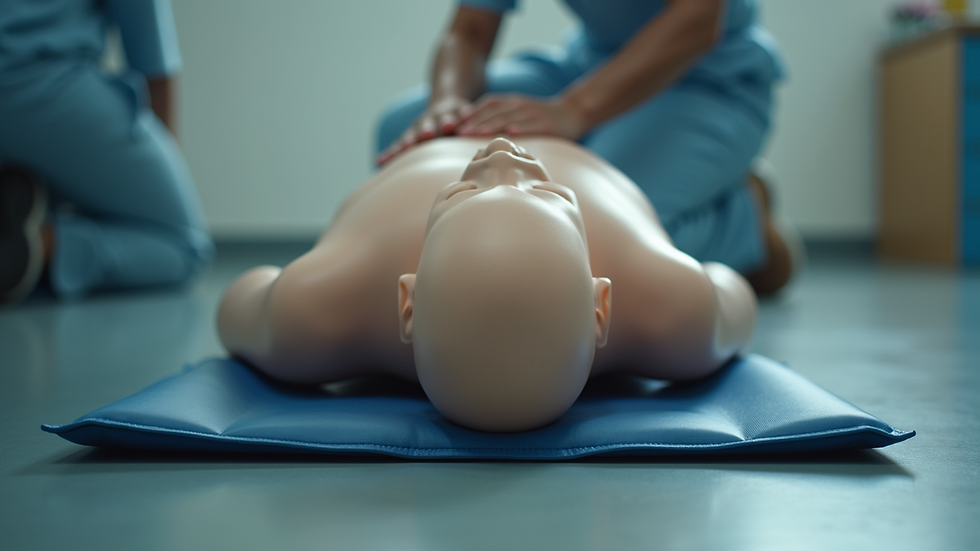
Place your hands, one on top of the other, in the center of the chest.
Push hard and fast, at a rate of 100 to 120 compressions per minute.
Give Rescue Breaths (if trained):
After every 30 compressions, give 2 rescue breaths.
Ensure the airway is open by tilting the head back slightly.
Continue Until Help Arrives: Keep performing CPR until emergency personnel take over or the person shows signs of life.
Child and Infant CPR
The techniques for children and infants differ slightly:
For Children: Use one hand for compressions and give smaller breaths.
For Infants: Use two fingers for compressions and cover the mouth and nose with your mouth for rescue breaths.
CPR Training Options
In-Person Classes
Many organizations offer in-person CPR training. These classes provide hands-on experience and are often taught by certified instructors. Look for courses offered by:
American Heart Association (AHA)
Red Cross
Local hospitals or community centers
Online Courses
If you prefer learning at your own pace, online CPR courses are available. These courses often include videos, quizzes, and certification upon completion. However, ensure the course is accredited and provides practical training options.
Hybrid Courses
Some programs combine online learning with in-person skills assessments. This approach allows you to learn the theory online and practice hands-on skills in a classroom setting.
Certification and Recertification
Once you complete a CPR course, you will receive a certification valid for two years. It’s crucial to stay updated with your skills, as techniques may evolve. Regular recertification ensures you are prepared for emergencies.
The Role of CPR in the Community
Building a Safer Environment
By learning CPR, you contribute to a safer community. Encourage friends, family, and coworkers to get trained. Consider organizing group training sessions in your neighborhood or workplace.
Real-Life Impact
Many stories highlight the importance of CPR. For instance, a bystander who performed CPR on a colleague during a heart attack at work saved their life. Such instances emphasize the need for widespread CPR training.
Conclusion
CPR training is an essential skill that everyone should possess. It empowers individuals to act swiftly in emergencies, potentially saving lives. Whether you choose an in-person class, an online course, or a hybrid option, the knowledge you gain can make a significant difference.
Take the first step today by enrolling in a CPR course. You never know when you might need to use these lifesaving skills.

Comments